

 9019956724
 Anaesthesiology
 Dialysis
 ENT
ENT General Medicine
 General Surgery
 ICU and Emergency
 Medical Oncology
 Nephrology
 Neurosurgery
 Obstetrics and Gynecology
 Orthopaedics
 Pathology
 Pediatrics
 Physiotherapy
 Plastic Surgery
 Pulmonology
 Radiology
 Surgical Oncology
 Urology




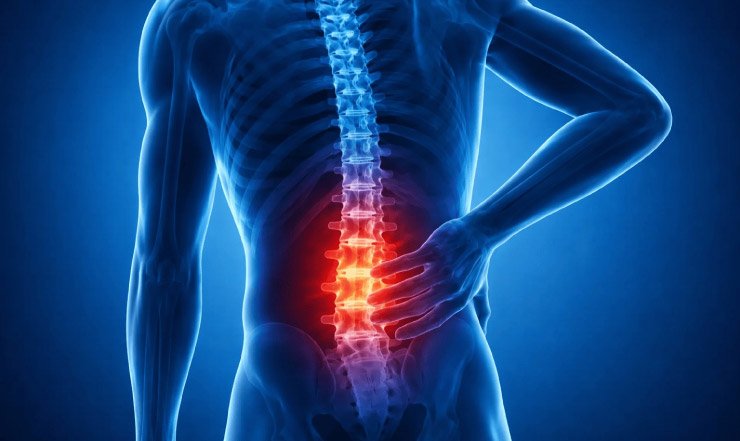
It should not be surprising that backache is among the most prevalent conditions. The most common back pain causes include muscle strains, poor posture, and prolonged sitting. But sometimes, back pain may be caused by a slipped disc. In such cases, a detailed medical examination is required, and in some cases, even surgery may be necessary.
It is essential to know how to differentiate normal back pain from a slipped disc, as failure to do so may lead to chronic pain and nerve damage. Knowing how to recognise the symptoms will help find proper slip disc treatment.
What Is a Slipped Disc?
Slipped discs, which are often referred to as herniated or prolapsed discs, result when the soft and jellylike part of an intervertebral disc is pushed out through a hole in the hard outer coating of the same disc.
A slipped disc most commonly affects the lower back but may also occur in the neck.
Understanding Common Back Pain
Not every instance of backache is necessarily due to a slipped disc. Most often, back pain causes may be any of the following:
● Injured muscles or ligaments
● Posture
● Sitting for too long
● Sudden twisting
● Heavy lifting
● Sedentary lifestyle
● Being overweight
● Degeneration due to age
This kind of backache will generally go away in a few weeks.
Slip Disc vs Back Pain: How to Tell the Difference
Although both conditions can cause back discomfort, certain features help distinguish a slipped disc from ordinary back pain.
| Feature | Ordinary Back Pain | Slip Disc Symptoms |
| Type of Pain | Dull, aching pain | Sharp, burning, or shooting pain |
| Location | Usually localised | Often radiates to the arm or leg |
| Numbness or Tingling | Rare | Common |
| Muscle Weakness | Uncommon | May occur |
| Pain with Coughing or Sneezing | Usually absent | Often worsens |
| Recovery | Improves within days to weeks | May persist without treatment |
Common Slip Disc Symptoms
Slip disc symptoms commonly vary depending on where the pressure is exerted on the nerves.
Slipped Disc in the Lower Back
- Back pain
- Pain in the leg (sciatica)
- Numbness or tingling in the leg or foot
- Weakness in the legs
- Inability to stand or walk for long hours
Neck Slip Disc Symptoms
- Neck pain
- Pain in the shoulders
- Pain in the arm
- Finger tingling
- Arm weakness
Certain patients experience pain when coughing, sneezing, bending, or sitting for extended periods.
What Causes a Slipped Disc?
Some of the causes of a slipped disc include age, poor lifting methods, obesity, sedentary lifestyle, excessive strain on joints, smoking, and lack of core muscle strength.
These are also among the common back pain causes; hence, one should determine the cause of such a problem.
When Should You See a Doctor?
Many cases of back pain improve on their own, but certain symptoms require prompt medical attention.
You may want to see your doctor if your back pain:
- Has lasted for many weeks and is not improving
- Is starting to spread from the back to your arm or leg
- Is causing constant tingling or numbness
- Is making your muscles weak.
- Is affecting your walking ability
- Is becoming an interference in your day-to-day activities or even sleeping
There are certain conditions that require urgent medical intervention. These include:
- Loss of bladder or bowel control
- Numbness in the groin or inner part of the thighs
- Weakness of the leg or both legs
These could indicate the existence of serious nerve compression and should be attended to right away.
How Is a Slip Disc Diagnosed?
Generally, a diagnosis of a slipped disc involves a discussion of symptoms and a physical examination.
Your muscle strength, reflexes, sensation, and movement can be tested to check whether you have nerve involvement.
Imaging studies can consist of:
● X-Rays
Used to exclude fractures and other disorders of the spine.
● MRI Scan
The most preferred imaging study for diagnosing a herniated disc and nerve compression.
● CT Scan
When an MRI cannot be used, a CT scan can also help doctors assess a slipped disc.
● Nerve Conduction Studies
Sometimes performed to evaluate nerve damage.
Slip Disc Treatment Options
Most patients improve without surgery. Objectives of slip disc treatment include pain relief, reduction in inflammation, and restoration of normal functions.
Medications
- Pain medications
- Anti-inflammatory drugs
- Muscle relaxers
- Nerve pain medications
Physical Therapy
Through a well-planned physical therapy program, it will:
- Strengthen back muscles
- Increase body flexibility
- Promote proper posture
- Reduce pressure on the affected nerve
Lifestyle Changes
- Keeping a healthy body weight
- Avoiding long periods of sitting
- Using the right lifting methods
- Being active physically
Epidural Steroid Injections
In certain cases, injections may help reduce inflammation.
When Is Surgery Necessary?
Many slipped disc conditions can heal without the need for surgical intervention. Surgery can be recommended if there is persistence of symptoms even after medical treatment.
Surgeries can be recommended if:
- Pain persists in either the arm or the leg
- Weakness increases continuously
- It becomes hard to conduct daily tasks
- Signs of nerve damage appear
- Problems with bladder and/or bowel movements occur
Surgical Interventions for Slipped Disc
● Microdiscectomy
It is the most common procedure in which the portion that presses the nerve is surgically removed.
● Endoscopic Spine Surgery
A minimally invasive procedure that makes use of advanced surgical equipment and small incisions.
● Spinal Decompression Techniques
Conducted when necessary for the removal of pressure from the compressed nerves.
The majority of patients eventually resume their routine activities post-surgery.
Is it possible to prevent a slipped disc?
Having good posture, exercising regularly, using proper lifting techniques, maintaining a healthy body weight, and not smoking may reduce the risk of disc herniation.
Final Thoughts
Though not all cases of back pain result from slipped discs, those involving numbness, tingling sensations, and weakness should never be neglected. Knowledge of different back pain causes and identifying signs of a slipped disc will aid in timely diagnosis and management.
A great number of patients manage to recover thanks to non-surgical slip disc treatments such as medications, physiotherapy, and making lifestyle changes. But when the pain gets unbearable and/or there is any damage to the nerves, surgery may be considered. In case you realise that you are having back pain that is interfering with your normal activities or the pain radiates to your arm or leg, it would be prudent for you to visit a medical practitioner for treatment.
FAQs
- Is it allowed to walk and do physical exercises with a slipped disc?
Yes, walking is considered a low-impact exercise and is generally recommended, but lifting heavy things is not advisable. - Why am I having more pain in my leg than in my back?
Since there is an irritation of the nerve going into your leg, you have more pain in the leg. - Is it normal for me to have such pains at times?
Yes, it is. Pain may vary significantly and is usually associated with your posture and the actions you take. - Can I be having increased pains due to the period of sitting?
Yes, sitting can put pressure on spinal discs, causing pain. - How long will it take to recover from my slipped disc?
It takes anywhere from a few weeks to several months for many individuals to recover.
 WhatsApp Us