

 9019956724
 Anaesthesiology
 Dialysis
 ENT
ENT General Medicine
 General Surgery
 ICU and Emergency
 Medical Oncology
 Nephrology
 Neurosurgery
 Obstetrics and Gynecology
 Orthopaedics
 Pathology
 Pediatrics
 Physiotherapy
 Plastic Surgery
 Pulmonology
 Radiology
 Surgical Oncology
 Urology




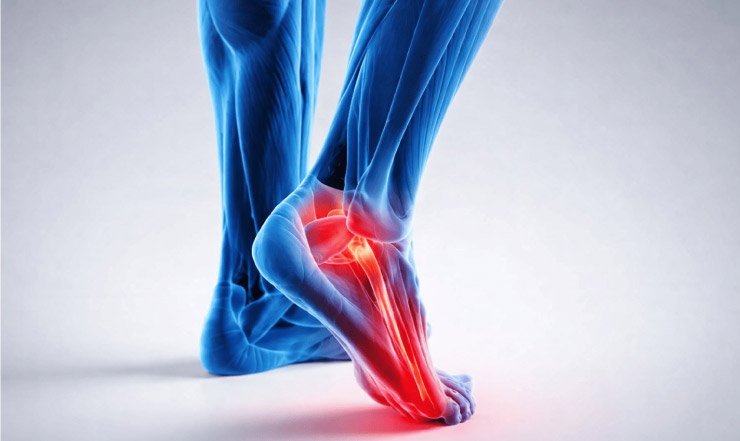
Aching legs and stiff joints are often overlooked as symptoms of ageing and vigorous exercise. But repetitive leg pain in the knees, hips, ankles, or feet may mean you have arthritis in the legs. Arthritis can make it difficult for you to move around comfortably, and it is among the top causes of chronic pain and disabilities globally, making it difficult for individuals to perform their routine activities, including walking and stair climbing.
It is important to learn the early symptoms of arthritis to prevent its progression.
What Is Arthritis in the Legs?
Arthritis in the legs is the inflammation or breakdown (deterioration) of the joint structures in the legs, including the hip, knee, ankle, and foot. There are over 100 types of arthritis, but the two most common types of arthritis that affect the legs include:
- OA, or Osteoarthritis: This is a type of arthritis caused by wear and tear of the joints due to the degradation of the cartilage in the joint structure.
- RA or Rheumatoid Arthritis: This is an autoimmune condition in which the immune system mistakenly attacks the joint lining.
One of the commonly affected joints is the knee joint due to its load-bearing function.
Common Leg Arthritis Symptoms
The symptoms of arthritis often develop gradually, although some forms of inflammatory arthritis may appear suddenly.
The common leg arthritis symptoms are as follows:
- Pain in the joints of the knees, hips, ankles, and feet
- Stiffness in the joints, particularly in the morning hours or after resting for some time
- Swelling in the joints
- Warmth in the joints
- Difficulty walking, climbing stairs, and bending the joints
- Cracking noise in the joints
- Muscle weakness around the affected joints
Some individuals may experience more severe symptoms when working long hours or in cold, humid weather.
What Causes Arthritis in the Legs?
The causes of arthritis in the legs vary by type.
● Ageing: Wear and Tear
With age, cartilage that cushions the joints deteriorates, making one more vulnerable to osteoarthritis.
● Obesity
Being overweight is a risk factor for arthritis because it exerts pressure on weight-bearing joints, such as knees and hips.
● Joint Injury History
A history of previous joint injury, such as bone fractures and ligament damage, may put one at a higher risk of arthritis in future.
● Immune System Disorders
Arthritis, like rheumatoid arthritis, happens when the body’s immune system attacks healthy joints.
● Genetics
If there is a family history of arthritis, one is at a higher risk of having it.
● Repetitive Joint Stress
Repeated stress on the joints from work or other activities involving kneeling and squatting contributes to wear and tear.
When Should You See a Doctor?
Pain in the joints occasionally may not be an issue that should concern one. However, when someone experiences any of the following, seeing a doctor becomes vital:
- Joint pain that lasts for weeks
- Stiffness and swelling
- Inability to walk and carry out daily chores
- Pain that disrupts sleep
- Joint issues that develop abruptly
- Warm joints
Early detection and arthritis treatment can go a long way in saving one’s joints from any further deterioration.
How Is Arthritis in the Legs Diagnosed?
Usually, the first thing the physician does is review your complaints and medical history, followed by a thorough physical examination that includes assessing movement, swelling, and tenderness in your joints.
Some of the other tests that may be performed include:
● X-ray: Helps to see the damage to the cartilage, bone spurs, and narrowing of joints.
● MRI Scan: An MRI scan aids in the in-depth evaluation of the cartilage, soft tissues, and other structures near the joint that is being examined.
● Blood Tests: May be used to diagnose inflammatory forms of arthritis, such as rheumatoid arthritis.
● Joint Fluid Analysis: In some cases, fluid from the affected joint may be tested to identify infection or gout.
Arthritis Treatment Options
The objectives of arthritis treatment are to reduce the pain, improve joint function, and ensure mobility. Depending on the type and severity of arthritis, different treatments are available.
Medication
The treatment involves:
- Painkillers
- Nonsteroidal anti-inflammatory drugs (NSAIDs)
- Corticosteroids
- Drugs which modify the disease in case of inflammatory arthritis
Physical Therapy
A regular physiotherapy program will help:
- Build the strength of the muscles around the joint
- Increase flexibility
- Increase joint movement
- Decrease pain and stiffness
Lifestyle Adjustments
Some basic adjustments in your lifestyle can change a lot:
- Keep a normal weight
- Remain active physically
- Choose low-impact activities like walking and swimming
- Use supportive shoes when needed
Devices
Braces, walkers, or other supports will ease the pressure on the joint and increase mobility.
Injections
Some patients might need joint injections with corticosteroids or other medications to reduce pain and inflammation.
When Is Surgery Necessary?
Surgery is often recommended when symptoms have become serious and conservative management has failed to offer sufficient relief. The types of surgeries that may be performed include:
- Joint-preserving surgeries
- Arthroscopic surgeries in some cases
- Partial joint replacement
- Knee/hip replacement surgeries
Joint replacement surgery may greatly enhance mobility in individuals with advanced arthritis.
Can Arthritis in the Legs Be Prevented?
While there is no guaranteed way to prevent all types of arthritis, certain methods may help lower the chances of its occurrence or progression:
- Stay at a healthy body weight
- Workout regularly
- Prevent joint injuries
- Try not to strain joints
- Treat joint injuries immediately
- Keep moving to ensure muscles remain strong and flexible
Conclusion
Arthritis in the legs can be very difficult to manage, but timely detection and adequate treatment can help you take a huge step forward. It’s important not to neglect pain, stiffness, and swelling when they start affecting your ability to cope with routine tasks.
There are lots of patients who cope with leg arthritis symptoms successfully using treatment methods like changes in lifestyle, medications, and physiotherapy. Various options for modern arthritis treatment can be applied to patients with severe disease.
Frequently Asked Questions (FAQs)
1. Why do my legs feel stiff when I wake up?
Morning stiffness is a common symptom of arthritis and usually improves as the joints start moving.
2. Is there any way that arthritis can lead to weakness in the legs?
Yes. Joint pain and limited movement can lead to muscle weakening over time.
3. Can weather conditions influence arthritic pain?
Some individuals have noted an increased tendency for joint pain during colder and/or damp weather.
4. Is walking beneficial for arthritis in the legs?
Yes. Walking is a light physical exercise that helps maintain joint flexibility and build muscle strength in the joint area.
5. Can arthritis in the legs become worse without any treatment?
Yes. When arthritis in the legs is left untreated, it may worsen over time and cause even more pain. It will make it harder to do daily tasks.
 WhatsApp Us