

 9019956724
 Anaesthesiology
 Dialysis
 ENT
ENT General Medicine
 General Surgery
 ICU and Emergency
 Medical Oncology
 Nephrology
 Neurosurgery
 Obstetrics and Gynecology
 Orthopaedics
 Pathology
 Pediatrics
 Physiotherapy
 Plastic Surgery
 Pulmonology
 Radiology
 Surgical Oncology
 Urology


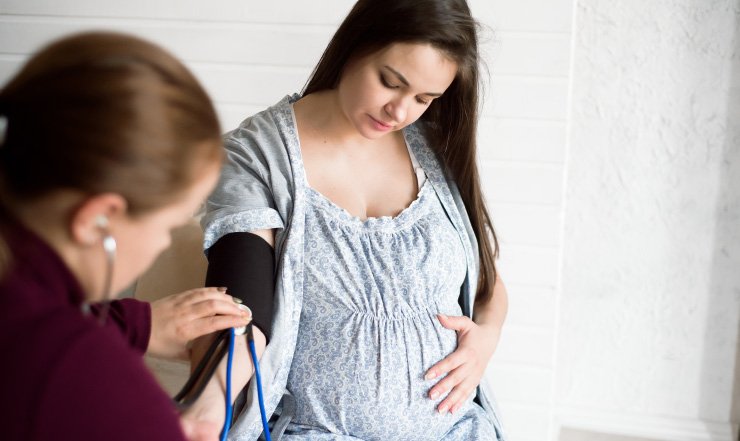
A high-risk pregnancy is clinically defined as a gestation where the health or life of the mother or the fetus is jeopardized by concurrent disorders or complications. While the term may cause apprehension, modern obstetric protocols are designed to manage these complexities through vigilant monitoring and precision-driven interventions. For families seeking specialized care, identifying a facility equipped for high-risk scenarios. Amrutha Hospitals is paramount to ensuring a successful delivery.
Understanding High-Risk Pregnancy Conditions
Risk factors can be pre-existing, lifestyle-related, or develop spontaneously during the gestational period. A comprehensive list of high-risk pregnancy conditions includes:
- Systemic Disorders : Pre-existing hypertension, Type 1 or Type 2 diabetes, kidney disease, or autoimmune disorders.
- Gestational Complications : Preeclampsia (pregnancy-induced high blood pressure), placenta previa, or cervical insufficiency.
- Gestational Diabetes Mellitus (GDM) : Hormonal shifts that impair insulin regulation, often requiring a specialized gestational diabetes test in Nelamangala (typically the DIPSI or 75g OGTT) between 24 and 28 weeks.
- Multiple Gestation : Carrying twins, triplets, or higher-order multiples, which increases the risk of preterm labor.
- Maternal Age : Pregnancies in individuals under 20 or over 35 years of age are statistically categorized as higher risk due to increased chromosomal or vascular complications.
Clinical Protocols and Safe Pregnancy Tips
To mitigate risks, obstetricians employ rigorous surveillance techniques. Following professional safe pregnancy tips can significantly improve outcomes:
Strict Antenatal Surveillance : High-risk patients require more frequent visits, involving Non-Stress Tests (NST) to monitor the fetal heart rate and Bio-Physical Profiles (BPP) via ultrasound.
Nutritional Precision : Adherence to a low-glycemic, sodium-regulated diet helps manage gestational hypertension and diabetes.
Pharmacological Management : Targeted use of low-dose aspirin for preeclampsia prevention or insulin/metformin for blood sugar regulation as prescribed by your consultant.
Activity Modification : While moderate exercise like prenatal yoga is beneficial, certain high-risk conditions like a weak cervix may necessitate pelvic rest or modified activity levels.
Excellence in Obstetric Care in Nelamangala
For patients in the Bangalore Rural sector, Amrutha Hospitals provides an integrated ecosystem for maternal-fetal medicine. The facility is distinguished by its Level 3 Neonatal Intensive Care Unit (NICU), which is essential for the survival of preterm or medically fragile newborns.
Best Obstetrician in Nelamangala: Dr. Thejaswini S. P
Navigating a complex pregnancy requires a clinician with specialized training in fetal medicine. Dr. Thejaswini S. P is widely regarded as a leading obstetrician in Nelamangala. With a DGO from Bangalore Medical College and a dedicated Fellowship in Fetal Medicine, she specializes in high-risk obstetrics, prenatal counseling, and complex cesarean sections. Her expertise ensures that subtle deviations in fetal growth or maternal health are detected and managed with clinical precision.
Best Gynecologist In Nelamangala: Dr. Divya V
Specialized gynecological oversight is equally vital for managing pre-conception health and postpartum recovery. Dr. Divya V, practicing at Amrutha Hospitals, is recognized as a top gynecologist near Nelamangala. Awarded as the best outgoing student from the OBG department at Bangalore Amruth Hospital, she brings a record of excellence in obstetric ultrasound and maternal health management. Her patient-centric approach focuses on creating personalized birth plans that prioritize safety while respecting the mother’s physiological needs.
By choosing a facility like Amrutha Hospitals, which combines the advanced technologies of 3D/4D imaging with the expertise of veteran specialists like Dr. Thejaswini and Dr. Divya, families can navigate high-risk pregnancies with the highest degree of clinical confidence.
 WhatsApp Us